10 Best Team Building Activities for the Holidays

Team Building That Actually Builds Teams
Most "team building" activities feel like work with extra steps. The holiday season offers a genuine alternative: activities that build real connection because people are relaxed, in a celebratory mood, and not thinking about deliverables.
The best holiday team building activities work on two levels simultaneously — they're fun enough to be genuinely enjoyable and structured enough to require the collaboration, communication, and trust that real teams need. This list covers 10 activities that deliver on both levels.
Whether your team is in-person, remote, or hybrid, at least three of these will fit your context exactly.
1. Secret Santa Exchange 🏆
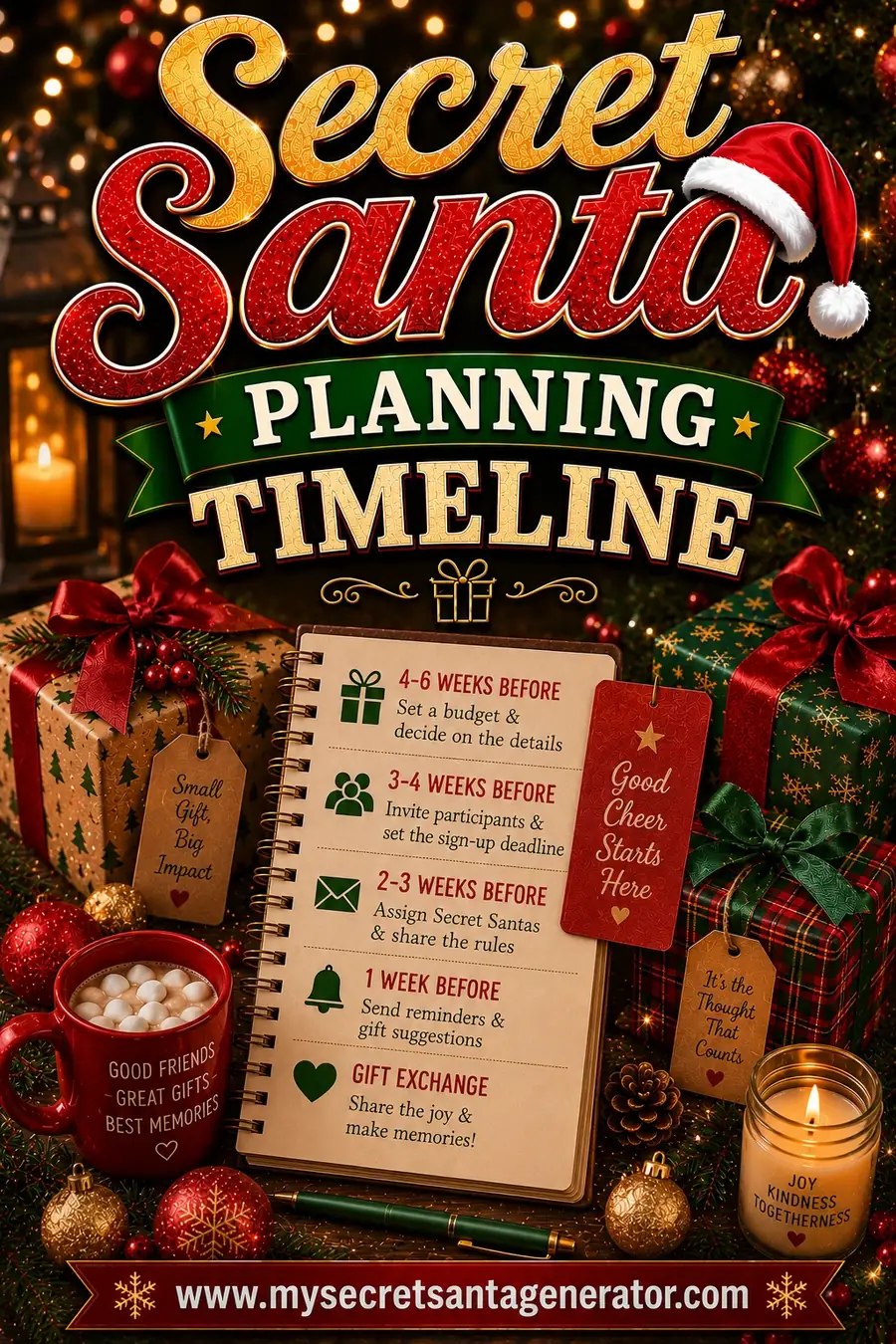
Why it works: Secret Santa builds team connection before the party even happens — the act of thinking about one specific colleague, researching what they'd like, and choosing something for them is itself a relationship-building exercise. The reveal creates a shared emotional moment. The free generator at mysecretsantagenerator.com manages the draw, exclusions (no manager-to-direct-report pairs), and email assignments for any team size, including fully remote teams.
Best for: Any team size, in-person or remote. Run the draw 4–5 weeks before the party to give everyone shopping time.
2. Never Have I Ever — Office Edition
Why it works: The Never Have I Ever Online clean edition generates office-appropriate prompts that reveal funny, surprising things about colleagues — "Never have I ever accidentally replied-all to a company email," "Never have I ever worked in my pajamas on a video call." People learn things about teammates they've worked alongside for years, which is exactly what team building is supposed to achieve.
Best for: Teams of 4–15. Use the clean edition only. Great opening activity to get cameras on and energy up on a video call, or as a warm-up in person.
3. Charity Drive with a Team Goal
Why it works: Collect donations for a cause chosen by team vote — food bank items, toys for a local shelter, gifts for a giving tree, end-of-year monetary donations to a community organization. Set a collective goal ("let's fill 50 toy drive boxes as a team") and track progress publicly. Charitable activity with shared stakes produces the specific sense of collective purpose that team-building seeks to create.
Best for: Any team culture, any size. Works in-person (physical collection) or remotely (pooled monetary donations via a shared link). The cause matters — choose one that reflects the team's actual values.
4. Holiday Trivia Teams
Why it works: Split the team into groups of 4–6 and run Christmas trivia through Kahoot or verbally. Categories tuned to the team — holiday movies, world Christmas traditions, the company's year — create a mix of general knowledge and inside-joke questions that rewards both trivia knowledge and office familiarity. The team format means quieter members contribute and every win is collective.
Best for: Any team size in team format. Works equally well in person or on video call with Kahoot's browser-based platform.
5. Gingerbread House Competition
Why it works: Teams of 3–5 compete to build the best gingerbread house from a kit plus candy and frosting. The judging categories — Most Structurally Sound (secretly the hardest), Most Festive, Most Creative, Most Likely to Survive a Storm — mean every team has a shot at something. Collaborative building requires actual communication and task division, which is team building regardless of whether anyone calls it that.
Best for: In-person teams of 15–40. Requires advance sourcing of kits and supplies. Budget: $15–$25 per team.
6. Cookie Bake-Off
Why it works: Each team member (or team of 2–3) bakes a batch of cookies to bring to the party. Judged on taste, appearance, creativity, and a wild card category the team nominates. The baking happens at home in advance, which means the team building starts before the party — messaging about recipes, sharing progress photos, friendly trash talk about who's going to win.
Best for: Teams who cook or bake. Works for in-person reveal and tasting; remote teams can do a virtual reveal with photos and voting.
7. Ugly Sweater Contest with Team Voting
Why it works: A dress code that doubles as an activity and creates cross-team interaction as people circulate to look at sweaters before voting. Add categories beyond "ugliest" — Most Festive, Best DIY, Most Likely to Be Worn Again, and Most Committed to the Bit — so multiple people can win something. The voting itself requires people to engage with each other.
Best for: Any team size. Zero cost to the organizer. Hybrid-friendly (remote team members photo-share their sweaters for voting).
8. Escape Room (In-Person or Virtual)
Why it works: Escape rooms are one of the few activities that require actual collaboration under time pressure — and the holiday version of that pressure (the stakes are fake, the fun is real) is the best possible context for it. Private bookings for teams of 6–12 are available at most escape room venues. Virtual escape rooms work for remote teams via video call.
Best for: Teams of 6–15. Book 2–3 months in advance for December slots. Budget: $15–$30 per person. One of the highest-rated team building activities in post-event surveys.
9. Volunteer Day
Why it works: A half-day volunteering together at a food bank, toy drive, community kitchen, or similar organization builds genuine shared experience in a way that games can't replicate. Working alongside colleagues toward something real — not a simulated challenge — produces a specific kind of team bond. The holiday season makes it both timely and meaningful.
Best for: Teams with the time and organizational support for a half-day off-site activity. Book volunteer slots 3–4 weeks in advance for December programs, which fill quickly.
10. Holiday Potluck with Cultural Dishes
Why it works: Each team member brings a dish connected to their own holiday tradition or family recipe — and includes a note (index card or Post-it) explaining what it is and its significance. The potluck becomes a celebration of the diversity in the team rather than a generic catered event. Teams routinely report learning things about colleagues they didn't know after years of working together.
Best for: In-person teams. Works as a daytime luncheon rather than an evening event. Zero facilitation required once the invitation goes out.